


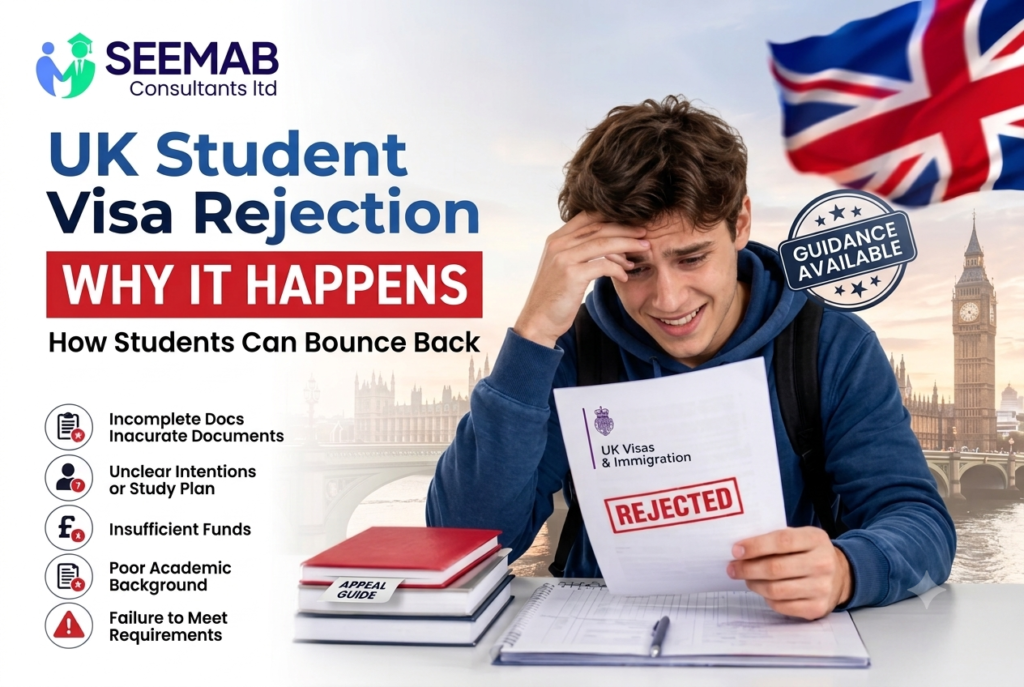
UK Student Visa Rejection A Complete Guide to Understanding and Overcoming Refusals
A UK student visa rejection can feel like a door slamming shut on months of planning, excitement, and hard-earned savings. Every year, thousands of hopeful students face this setback, often without fully understanding why it happened or what to do next. This article breaks down the most common reasons behind a UK student visa rejection, from incomplete documentation to financial proof issues, and offers practical guidance on how applicants can strengthen their case. Whether someone is preparing to apply for the first time or has already faced a UK student visa rejection, this guide is designed to bring clarity and confidence to the process.
Understanding the UK Student Visa Process
Before diving into why applications get refused, it helps to understand how the system works. Most international students apply for a Student visa (previously known as the Tier 4 visa) through UK Visas and Immigration (UKVI). To apply, a student first needs a Confirmation of Acceptance for Studies (CAS) from a licensed UK sponsor institution. This CAS number, along with supporting evidence, forms the backbone of every application UKVI reviews.
Because the process involves multiple layers of documentation, financial checks, and eligibility criteria, even small inconsistencies can lead to a refusal. Knowing where things typically go wrong is the first step toward avoiding them.
Common Reasons Behind a UK Student Visa Rejection
1. Insufficient Financial Evidence
One of the leading causes of refusal is failing to meet the financial requirement. UKVI expects applicants to prove they can cover tuition fees and living costs for a set period, using funds that have been held in an account for at least 28 consecutive days. Bank statements that don’t match this window, unexplained large deposits, or accounts that don’t meet the minimum balance threshold are frequent red flags that caseworkers flag during review.
2. Incomplete or Inconsistent Documentation
Missing signatures, expired passports, mismatched names across documents, or gaps in academic transcripts can all trigger a refusal. UKVI reviews applications strictly against the checklist tied to each applicant’s CAS, and even a minor oversight — like an unsigned bank letter — can be enough to derail an otherwise strong case.
3. Failing the Genuine Student Requirement
Caseworkers assess whether an applicant genuinely intends to study and later leave the UK or transition to a different visa route lawfully. This is known as the genuine student requirement. If an applicant’s study plans seem inconsistent with their academic background, career goals, or previous immigration history, UKVI may doubt their intentions and refuse the application on credibility grounds.
4. Weak English Language Proficiency
Most courses require proof of English language ability through an approved test or academic qualification. Submitting outdated test results, choosing a test not accepted by UKVI, or falling short of the required score can result in an automatic rejection, regardless of how strong the rest of the application is.
5. Problems With the Sponsoring Institution
Occasionally, a rejection has nothing to do with the applicant at all. If a sponsoring institution loses its licence, faces compliance issues, or fails to properly issue a valid CAS, the visa application tied to it can be refused. This is why choosing a reputable, properly licensed institution matters just as much as preparing a strong personal application.
6. Previous Immigration History
Applicants with a history of visa refusals, overstaying, or breaching previous visa conditions in the UK or elsewhere may face closer scrutiny. Past issues don’t automatically guarantee rejection, but they do raise the bar for the evidence needed to reassure caseworkers of genuine intent.
What Happens After a UK Student Visa Rejection
Receiving a refusal letter is disheartening, but it isn’t necessarily the end of the road. The letter itself is one of the most valuable tools an applicant has, since it outlines the exact reasons UKVI gave for the decision.
Administrative Review
If an applicant believes UKVI made a factual or procedural error in assessing the application, they can request an Administrative Review. This process doesn’t allow new evidence to be submitted, but it does allow errors in the original decision to be corrected.
Reapplying With Stronger Evidence
In many cases, the most practical path forward is a fresh application that directly addresses the reasons for refusal. This might mean holding funds for the full 28-day period this time, obtaining clearer bank documentation, or submitting a more coherent personal statement that ties past studies to future goals.
Seeking Professional Guidance
Immigration advisers or education consultants who specialise in UK visa applications can review a refusal letter and help identify exactly what went wrong. For complex cases — particularly those involving credibility concerns or previous immigration history — professional input can make a meaningful difference in a second attempt.
How to Reduce the Risk of Rejection

- Start early. Rushed applications are more prone to errors and missing documents.
- Double-check financial evidence. Ensure funds are held for the full required period and match the exact amount UKVI specifies.
- Keep documents consistent. Names, dates, and institution details should match exactly across every document submitted.
- Prepare for the genuine student assessment. Be ready to clearly explain how the chosen course fits past education and future plans.
- Choose a properly licensed sponsor. Verify that the institution holds a valid sponsor licence before accepting an offer.
- Review the CAS carefully. Confirm that course details, fees, and dates match what’s stated on the application.
Final Thoughts
A UK student visa rejection is rarely about a single mistake — it’s usually the result of small gaps that add up under close scrutiny. The good news is that nearly every reason for refusal is preventable with careful preparation, honest documentation, and a clear understanding of what UKVI is looking for. Students who take the time to address these areas before submitting an application give themselves the best possible chance of approval, and those who do face a rejection can use the experience to come back stronger the second time around.